

Innovative Resources for Sustainability Solutions
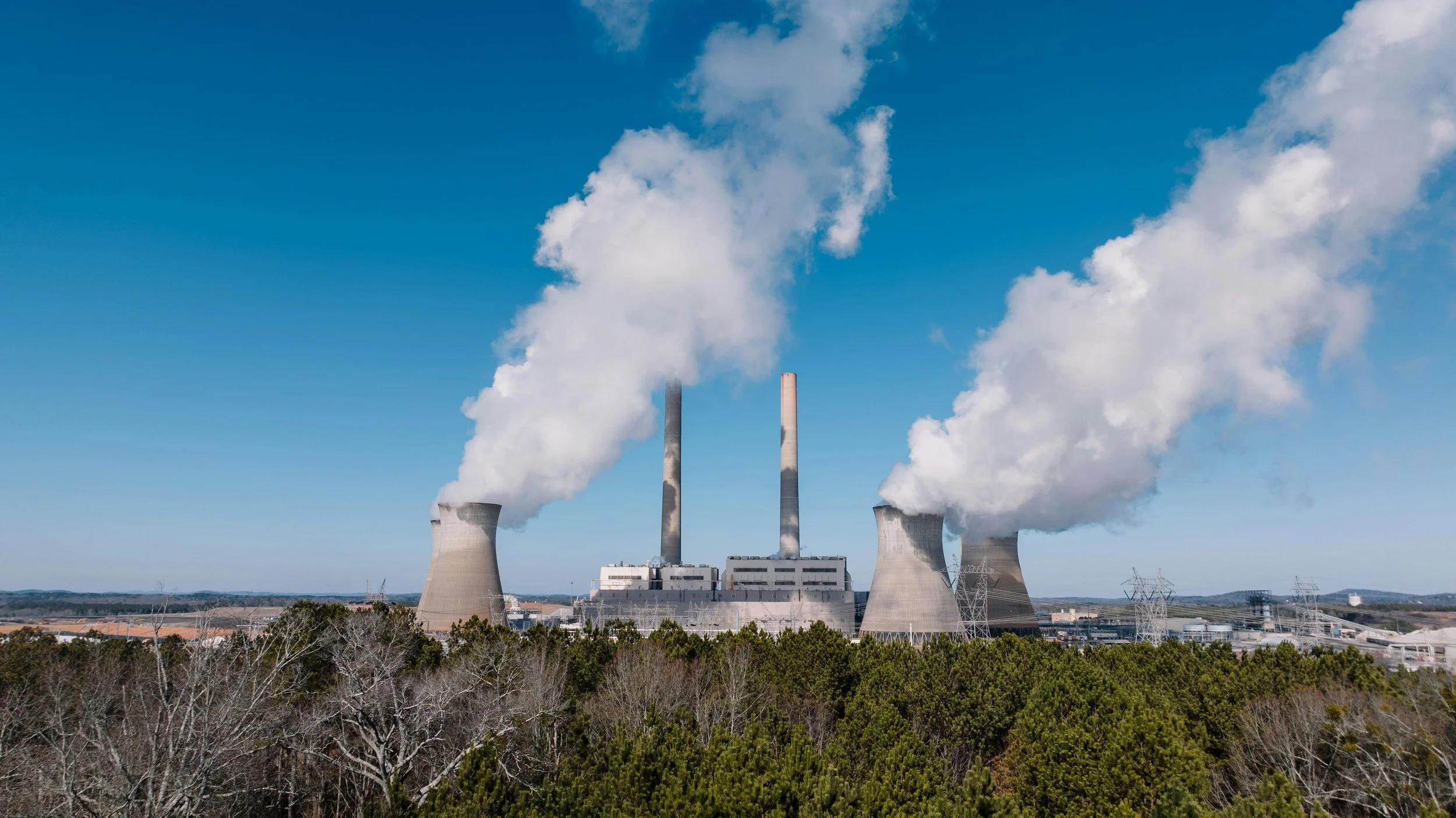
The Future of Industrial Decarbonisation will be Integrated, not Siloed.
Capture, storage and efficiency are too often treated as separate conversations. Discover why industrial decarbonisation demands integrated thinking — and what that looks like in practice.
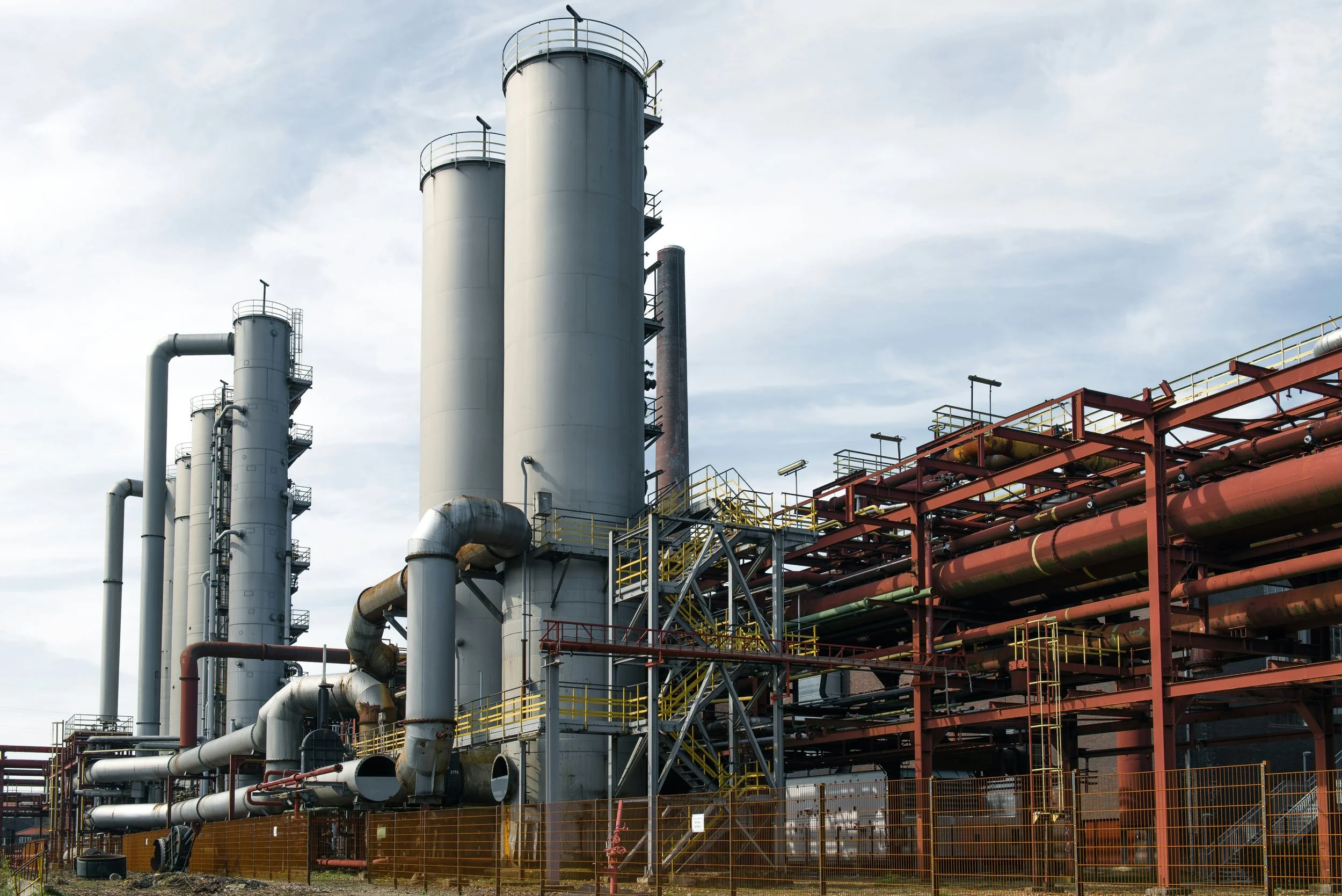
The FCC Question: Why Europe's Most Promising Carbon Capture Opportunity Is Still Waiting for the Right Technology.
Across Europe, FCC units remain essential to refinery economics, converting heavy hydrocarbons into higher-value fuels and petrochemical feedstocks. But the coke burn that keeps the catalyst active also produces very large volumes of CO₂ — often making the FCC regenerator the single largest point source on the refinery site.
European operators are not ignoring the problem. Major refiners are investing in green hydrogen, electrification, CCS infrastructure and novel capture technologies. Yet FCC capture has resisted easy answers because the available options sit in an uncomfortable gap: mature solvent-based systems are often too energy-intensive and costly for FCC flue gas, while lower-energy alternatives are still moving through demonstration and scale-up.
That gap is now becoming urgent. CO₂ transport and storage infrastructure is arriving across Europe, from Antwerp and Rotterdam to the North Sea and Ravenna. The question is no longer whether FCC emissions matter. It is whether site-specific, engineering-led capture solutions can turn one of refining’s hardest decarbonisation challenges into an investable project.
At Tree Associates, we believe the answer will come from practical engineering, not generic ambition: understanding each FCC unit as it actually operates, then designing capture around its real flue gas, heat, footprint, economics and infrastructure access.

The Myth of "Carbon Clean Burning": Why It Falls Short in Combating Climate Change
In the fight against climate change, the concept of "carbon clean burning" is often touted as a revolutionary step forward. The term suggests a combustion process that minimizes carbon dioxide (CO₂) emissions, allowing industries to continue using fossil fuels while purportedly mitigating their environmental impact.
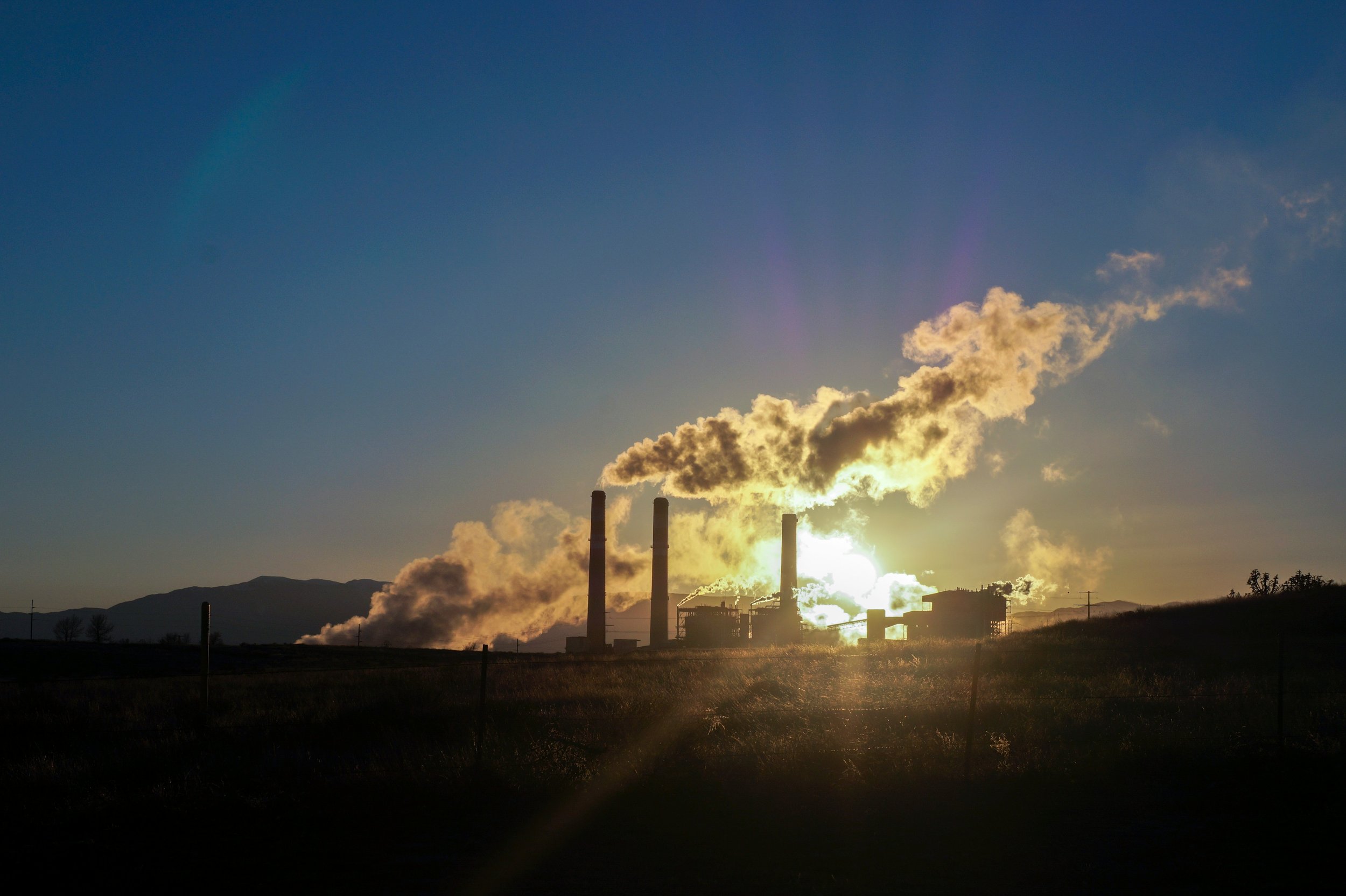
Revolutionising Carbon Capture: An Alternative Method of Carbon Capture
As global temperatures continue to shatter records, the clarion call to combat climate change has never been more urgent. Our planet's health is in jeopardy, and with each passing year, the window for meaningful action narrows.