
The Future of Industrial Decarbonisation will be Integrated, not Siloed.
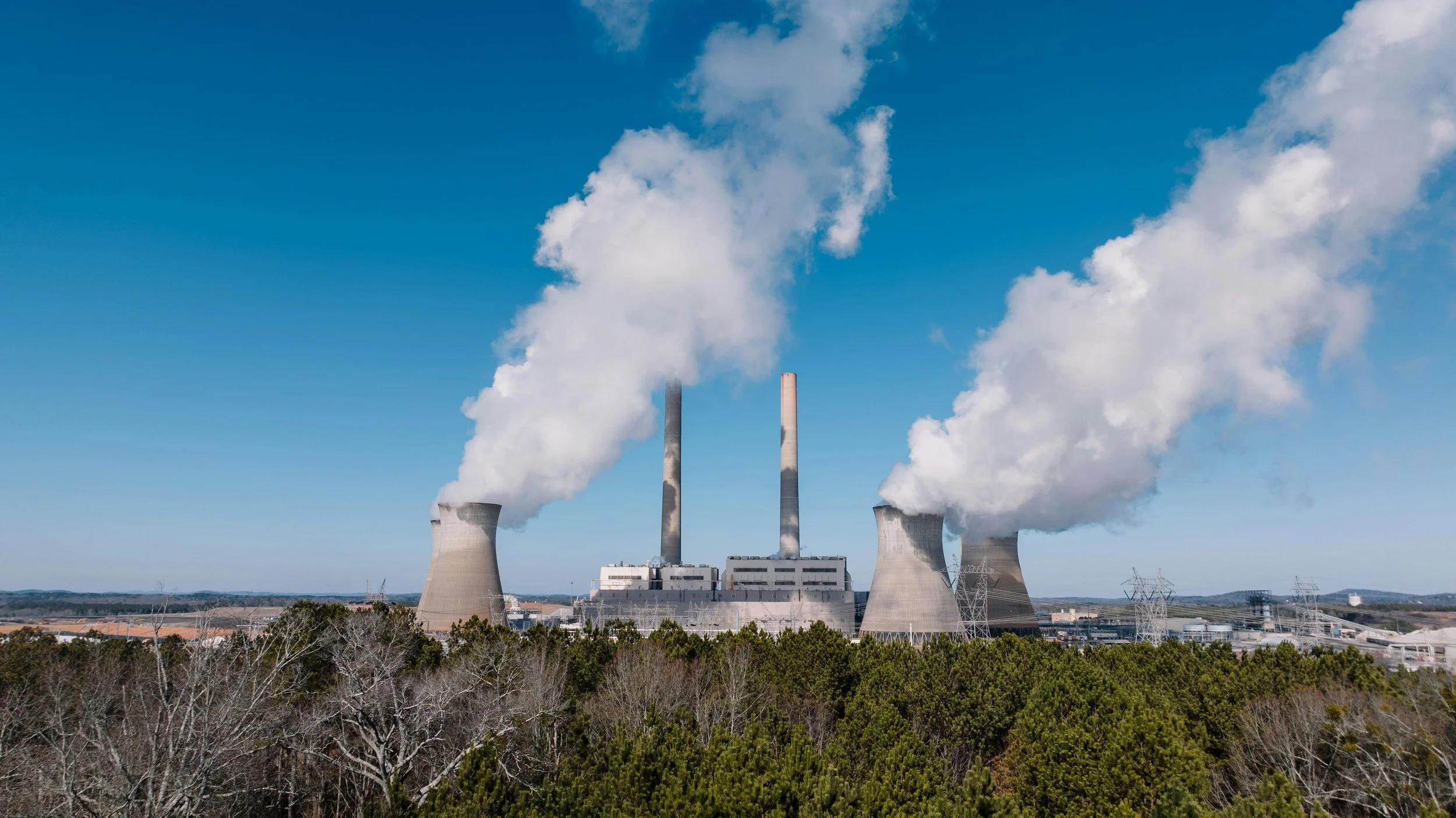
The transition is working. So why does it still feel fragmented?
By most headline measures, the energy transition is accelerating. Renewable capacity is scaling at a pace that would have seemed implausible a decade ago. Carbon capture is moving from concept to deployment across growing numbers of industrial sites. Energy storage is expanding. Efficiency technologies are improving. The pipeline of climate solutions has never been larger.
And yet, for many industrial operators, the transition still feels like a series of separate conversations rather than a coherent path forward. Carbon capture arrives with one set of advisers, one funding framework and one set of questions. Storage arrives with another. Efficiency with another still. Each has its own language, its own metrics and its own case for priority.
This fragmentation is not just an inconvenience. It is one of the reasons the transition, despite genuine momentum, can feel harder to act on than the scale of available solutions would suggest. The problem is not the technologies. It is the way they are being offered — in silos, as if each one exists independently of the pressures surrounding it.
That needs to change. And for industrial operators navigating real constraints, it already is.
Why siloed thinking produces incomplete answers
Consider what a cement plant actually faces.
Cement is one of the hardest industrial sectors to decarbonise. A significant share of its emissions comes not from the fuel used to heat the kiln, but from the chemistry of clinker production itself. Those process emissions cannot be removed through electrification or fuel switching. They require intervention at the point of release — which means carbon capture is not optional. It is, eventually, a structural requirement.
But carbon capture does not arrive in isolation. It introduces additional energy demand. The compression and cooling required to capture and liquefy CO2 draws power. In a plant already managing tight operating margins and rising electricity costs, that additional load matters. It changes the economics of capture. It changes the site's relationship with the power system around it. And it may change what the plant needs from energy storage — not as a separate investment decision, but as a direct consequence of the capture decision.
Now add the efficiency dimension. If the plant can reduce unnecessary energy demand elsewhere on site — through better refrigeration management, heat recovery or load optimisation — it can partially offset the energy burden that capture introduces. The efficiency work is not separate from the capture work. It is, in practical terms, part of the same response.
This is what integrated decarbonisation actually looks like. Not three separate technology projects running in parallel. One interconnected set of operational decisions, where each choice affects the conditions under which the others succeed or fail.
The plant that understands those connections will make better decisions than the one that doesn't. And the solutions that understand those connections will serve that plant better than the ones that don't.
The system is defined by interaction, not categories
The cement example is instructive precisely because it is not unusual. Across heavy industry — in refining, chemicals, food processing, cold storage and beyond — the same pattern repeats. The hardest emissions problems do not sit neatly in one technology category. They sit at the intersection of several.
A business facing difficult process emissions is almost always also facing rising electricity costs. A site investing in electrification is almost always also thinking about storage and resilience. A company trying to reduce its carbon footprint affordably is almost always also trying to reduce its energy spend. These pressures do not arrive separately. They arrive together, and they interact.
Global electricity demand grew by 4.3% in 2024 and is expected to continue rising strongly, driven by electrification, cooling and digital infrastructure. That rising demand makes energy efficiency more valuable, not less — because every avoided unit of consumption reduces pressure on an already stretching system. It also makes storage more important, because a more electrified economy needs more flexibility to stay reliable. And it makes carbon capture more urgent, because the process emissions that remain once energy-related emissions are addressed become an increasingly visible share of the total.
Each of these shifts amplifies the importance of the others. That is the integrated reality industrial operators are already living. The question is whether the solutions being offered to them reflect it.
What integrated thinking produces that siloed thinking cannot
Integrated thinking changes the quality of the decisions that operators can make.
When technologies are presented in isolation, each one has to win its own internal case on its own metrics. Carbon capture has to justify itself against the cost and complexity of installation. Storage has to justify itself against alternatives. Efficiency has to justify itself against the upfront investment. Each case is made individually, and each one competes for the same constrained pool of capital and management attention.
When technologies are understood together, the picture changes. The efficiency work that reduces energy demand also improves the economics of capture. The storage that supports the power system also reduces the resilience risk created by a more electrified site. The capture investment that addresses process emissions also positions the business ahead of tightening carbon expectations. These are not separate returns. They are compounding ones.
This matters because adoption decisions in heavy industry are rarely made on the basis of a single metric. They are made by people who can see the whole site, the whole cost base and the whole regulatory horizon. Solutions that speak to that whole picture are more likely to be adopted than solutions that address only one part of it.
Where Tree Associates fits into this landscape
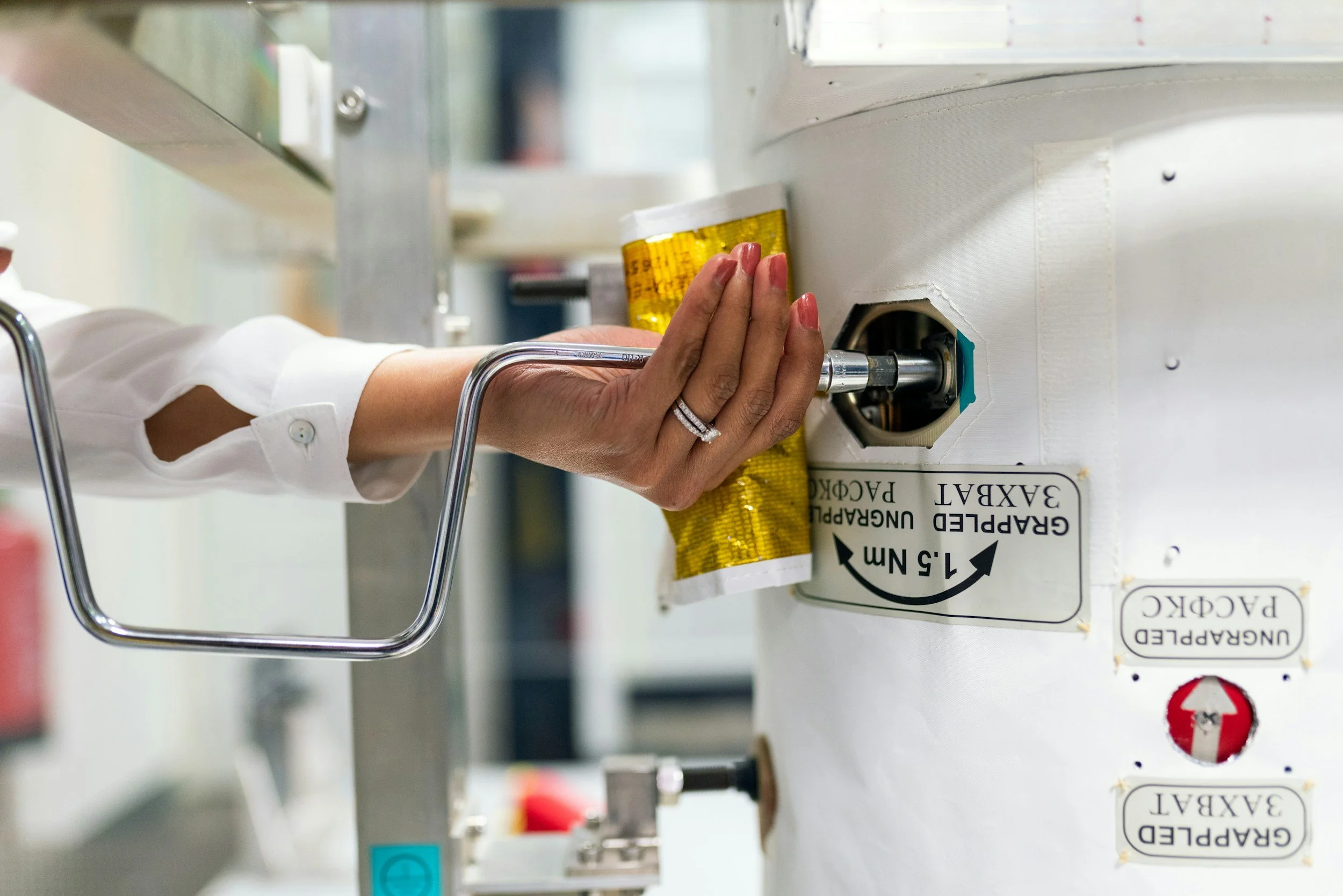
At Tree Associates, this integrated view is central to how we have built our technology portfolio. Our work spans carbon capture, modular compressed-air energy storage and refrigeration efficiency. These are not random adjacencies. They map directly onto the three most important practical challenges in the modern industrial transition: how to address unavoidable process emissions, how to make cleaner power more resilient and how to reduce unnecessary demand in energy-intensive systems.
A common engineering foundation connects parts of this work, because we think in systems rather than in disconnected products. That matters commercially, but it also matters in practice. When we engage with an industrial operator, we are not arriving with a single answer to a single question. We are arriving with a view of how the challenges they face interact — and how solutions that are designed with those interactions in mind can perform better than ones that ignore them.
This is the kind of company we believe the transition now needs. Not because integrated approaches are theoretically elegant, but because the operators driving industrial change are already thinking this way. They are looking for partners who understand the full operational picture, not just the slice that one technology category happens to address.
Why the future will reward this approach
The companies most likely to stand out in the years ahead will be those that can operate across the points where the hardest pressures meet. They will understand that capture matters where emissions remain unavoidable, that storage matters where a renewable system needs flexibility and that efficiency matters where demand is rising too fast to ignore wasted energy. These are not alternative futures. They are the simultaneous conditions that industrial operators are navigating right now.
At Tree Associates, we believe the future of industrial decarbonisation will be integrated, not siloed — because the industrial world itself is integrated. Real sites do not experience the transition one technology category at a time. They experience it as a practical challenge to emissions, energy use and system resilience all at once. The strongest responses will be the ones that reflect that reality clearly, credibly and in a way that industry can actually adopt.
The transition is not waiting for perfect solutions in any one category. It is waiting for coherent ones across all of them.
Closing thought
Industrial decarbonisation will not be solved in separate rooms. The pressures are connected, the decisions are connected, and the solutions need to be connected too. At Tree Associates, that is the standard we design for — because integrated problems deserve integrated responses.
