
Why Industrial Decarbonisation Needs More Than Electrification
Electrification is essential - but it is not the whole answer
Electrification is rightly one of the dominant themes in the global energy transition. The International Energy Agency describes the current period as an Age of Electricity, with demand rising strongly as transport, cooling, digital infrastructure and parts of industry continue to electrify. Cleaner electricity is central to the future economy, and in many sectors it offers a highly effective route to lower emissions. But industrial decarbonisation cannot be reduced to electrification alone. In the hardest industrial environments, the challenge extends beyond energy supply and into the structure of the process itself.
This distinction matters because it shapes which technologies are likely to be genuinely relevant. If the market assumes electrification solves every problem, it risks underestimating the scale of the challenge facing cement, lime, chemicals, refining and other hard-to-abate sectors. These industries often contain emissions sources that do not disappear even when power is cleaner. That means electrification remains foundational, but it must sit within a broader system of solutions rather than being treated as a complete answer in isolation.
The difference between energy emissions and process emissions
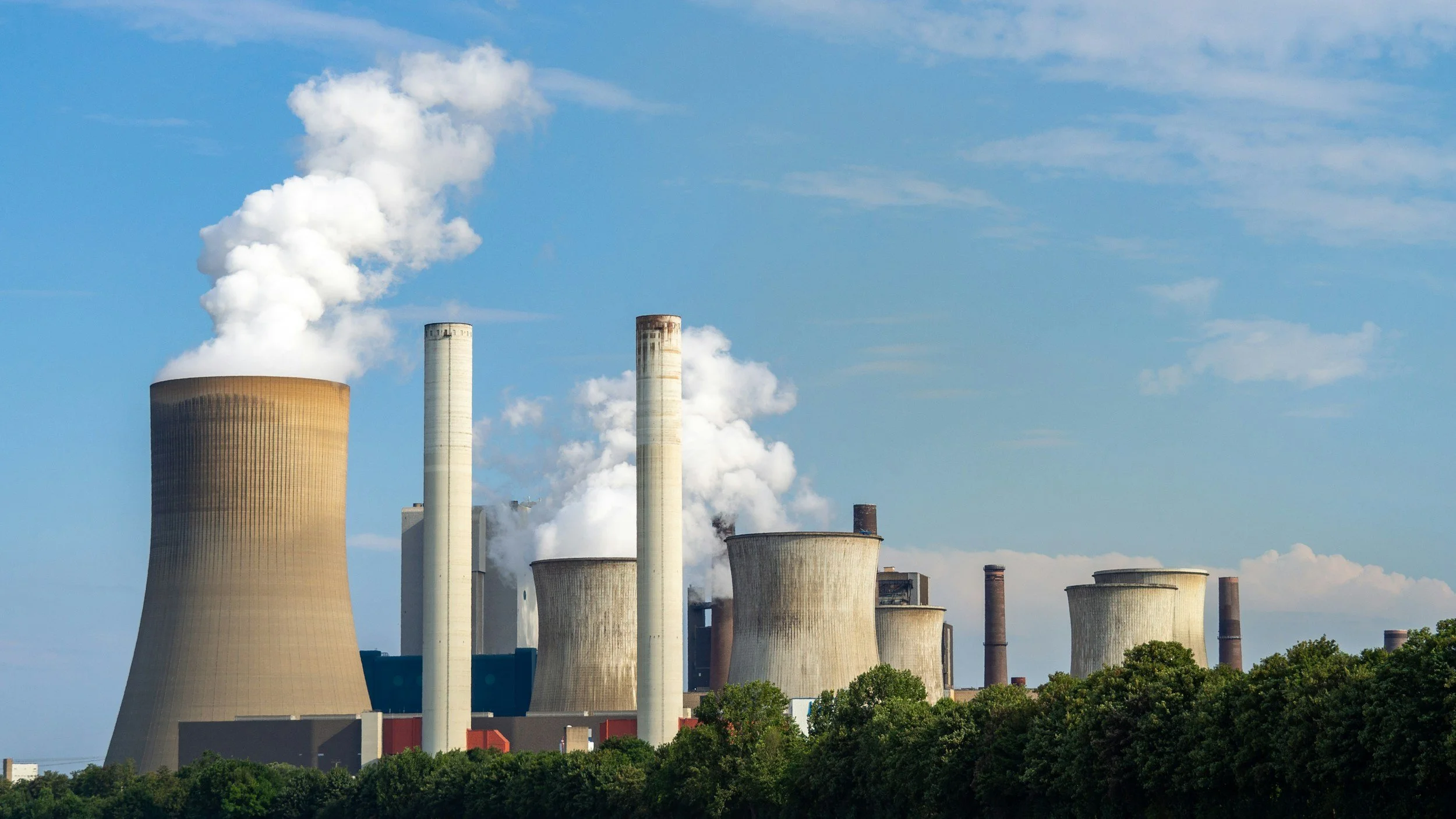
The most important reason electrification is not enough for every industrial sector is that heavy industry does not emit carbon dioxide in only one way. Some emissions come from combustion and can, in principle, be reduced through cleaner power or electrified heat. Others are process emissions. These arise from the chemistry of production itself. Cement is perhaps the clearest example, because clinker production releases carbon dioxide as part of the core process. The result is that even a much cleaner energy supply cannot fully remove the emissions problem.
That is why so much of the industrial decarbonisation discussion now points back to carbon capture. Where emissions are structurally difficult to avoid, capture becomes one of the few technologies capable of dealing with them directly. This is not a sign that electrification is unimportant. It is a sign that industrial decarbonisation requires a more realistic toolkit than public transition narratives sometimes suggest.
Why the wider electricity system also changes the picture
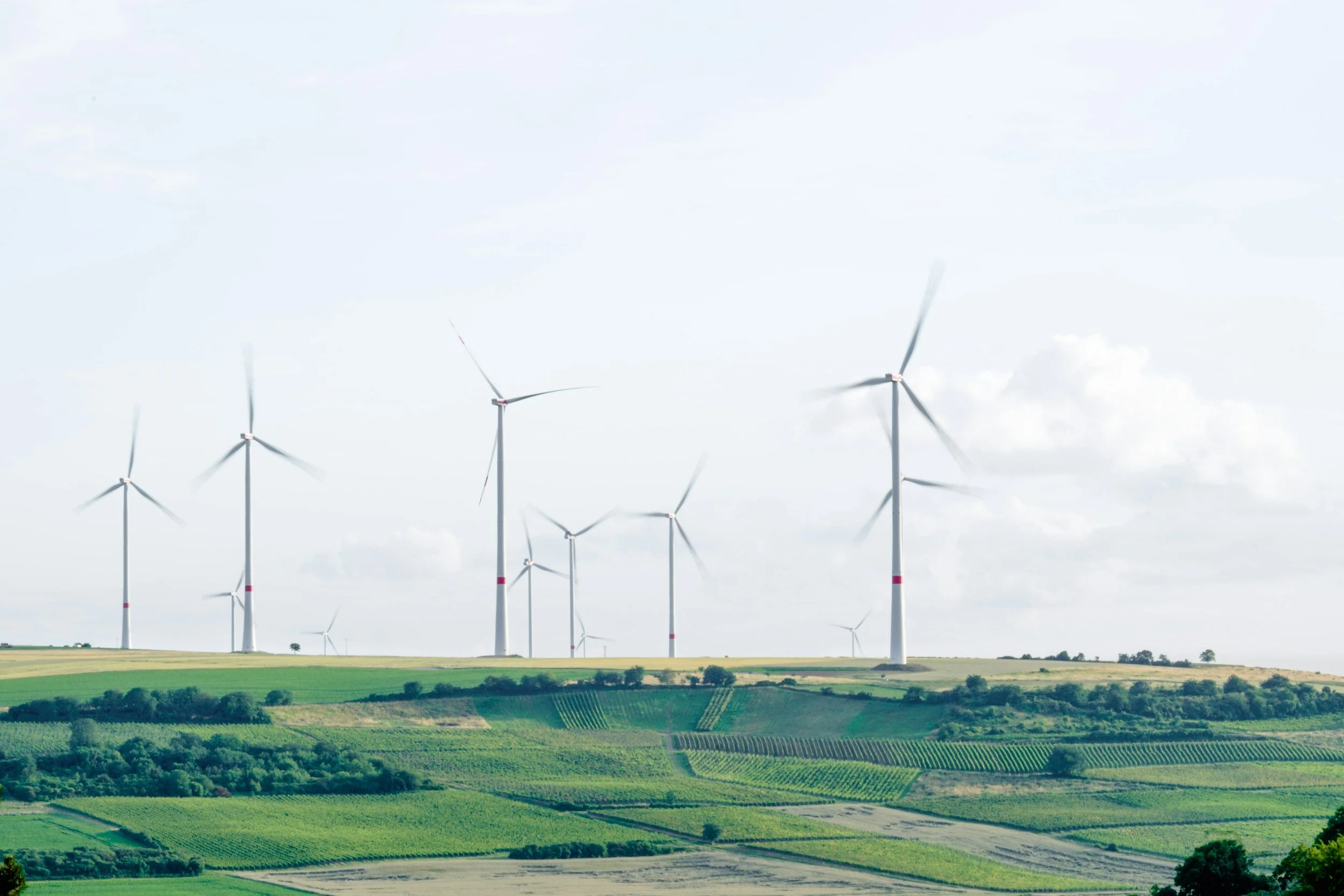
There is a second reason industrial decarbonisation needs more than electrification alone. As more of the economy electrifies, the power system itself becomes more demanding. Global electricity demand rose by 4.3% in 2024, according to the IEA, and the agency expects robust growth to continue. Cooling demand is rising. Data centre electricity use is projected to double to around 945 TWh by 2030 in the IEA base case. Renewable capacity is growing quickly, but system flexibility, storage and infrastructure investment all become more important as electrification deepens. In other words, electrification increases the importance of complementary technologies as well as reducing direct emissions in some sectors.
This creates an integrated challenge. Industry needs cleaner power where possible, but it also needs reliable storage where supply and demand do not align, and stronger efficiency where power demand can be reduced. A serious industrial transition therefore depends on more than one technology lane. It depends on how those lanes work together.
Where Tree Associates fits into this broader industrial picture
At Tree Associates, we see industrial decarbonisation through exactly this wider lens. Our carbon capture platform is designed for the parts of industry where emissions remain difficult to remove directly. AirBattery addresses a different but connected challenge: how to support a more renewable and more electrified energy system with storage and resilience. Our refrigeration platform addresses another connected challenge again: how to reduce unnecessary power demand in high-consumption industrial and commercial cooling environments. These are not unrelated technologies. They are responses to different parts of the same industrial transition.
That matters because businesses do not experience emissions, power reliability and energy cost as separate policy boxes. They experience them together. A decarbonisation strategy that works in practice therefore needs to reflect the interaction between these pressures rather than treating them as siloed topics. This is one of Tree’s strongest positioning advantages: the company can speak not only about carbon capture, but about the wider conditions that make industrial decarbonisation adoptable.
Why this is a stronger story for Tree to tell
For Tree Associates, the phrase more than electrification is not an anti-electrification message. It is a more mature message. It acknowledges the central role of cleaner power while also recognising where power alone is insufficient. That makes the argument more credible, more commercially relevant and more closely aligned with the real decisions facing industrial operators. It positions Tree not as a company relying on one fashionable narrative, but as a company responding to the harder realities of industrial decarbonisation.
At Tree Associates, we believe the future will belong to solutions that understand the limits of simple transition thinking. Electrification matters enormously. But in the hardest industrial sectors, progress also depends on carbon capture, storage, resilience and efficiency. The real question is not which one of these should matter. It is how industry uses them together to create practical routes to lower emissions. That is where industrial decarbonisation becomes serious, and that is where Tree’s technologies become especially relevant.
Closing thought
Electrification is necessary. But in the hardest industrial sectors, it is not sufficient. The companies that understand both of those truths are the ones most likely to help industry move forward. At Tree Associates, our technologies are designed with exactly that balance in mind.
